Friday

ADVERTISING OPPORTUNITY . Updated 12/28/2025

 It all started on a Tampa Landfill. 


  Reuse Became the way of life.

 To Live a life in the art world and be so blessed to make a social impact. 


Artists are to give back, talent is to tell a story, to make change. Reuse is a life experience


The Story Behind the Eye-Catching Art at I-75 Exit

Reuse Artist Joe Brown, better known as "Hong Kong Willie," makes art with a message at his home/studio near I-75's Exit 266.


Sometimes, it’s the smallest experiences that have the biggest impact on a person’s life.

While attending an art class in 1958 at the age of 8, Tampa folk artist Joe Brown recalled being mesmerized by the lesson. It involved transforming a Gerber baby bottle into a piece of art.

“The Gerber bottle had no intrinsic value at all,” he said. “But when (the instructor) got through with me that day, she made me see how something so (valueless) can be valuable.”

By the time class was over, Brown learned many other lessons, too, such as the importance of volunteerism, recycling, reuse and giving back to the community. He recalled being impressed by the teacher's volunteer work in Hiroshima, Japan, helping atomic bomb survivors.

"One of the last words she ever spoke to me about that was, ‘When I left, I left out of Hong Kong,’ ” he said. After turning that over in his young brain for awhile, he decided to use it in a nickname, adding the name “Willie” a year later.


You've probably seen Hong Kong Willie's eye-catching home/gallery/studio at Fletcher Avenue and Interstate 75. But what is the story of the man behind all those buoys and discarded objects turned into art?

Brown practiced his creative skills through his younger years. But as an adult, he managed to amass a small fortune working in the materials management industry. By the the '80s, he left the business world and decided to concentrate on his art. He spent some years in the Florida Keys honing his craft and building his reputation as a folk artist. He also bought some land in Tampa near Morris Bridge Road and Fletcher Avenue where he and his family still call home.

Brown purchased the land just after the entrances and exits to I-75 were built. He said he was once offered more than $1 million for the land by a restaurant. He turned it down, he said, preferring instead to make part of the property into a studio and gallery for the creations he and his family put together.

And all of it is made of what most people would consider “trash.” Pieces of driftwood, burlap bags, doll heads, rope — anything that comes Brown’s way becomes part of his vocabulary of expression, and, in turn, becomes something else, which makes a tour of his property somewhat of a visual adventure. What at first seems like a random menagerie of glass, driftwood and pottery suddenly comes together in one's brain to form something completely different. One moment nothing, the next a powerful statement about 9/11.

One Man's Trash ...

Trash? There is no such thing, Brown seems to say through his art.

.

In his shop, he has fashioned many smaller items out of driftwood, burlap bags and other materials into signs, purses, totes, bird feeder hangars and yard sculptures.

He sells a lot to the regular influx of parents and students every year who are are at first intrigued by the “buoy tree” and the odd-looking building they see as they take Exit 266 off I-75.

Of course, many people also stop by to buy the smaller pieces of art that he and his family create: purses made of burlap, welcome signs made of driftwood, planters and other items lining the walls of his store.

He’s also helped put his mark on the decor of local establishments too, such as Gaspar’s Patio, 8448 N. 56th st.

Owner Jimmy Ciaccio said that when it came time to redecorate the restaurant several years ago, there was only one person to call for the assignment, and that was his good friend Brown.

"I’ve known Joe all my life, and we always had a good chemistry together,” Ciaccio said. "He’s very creative and fun to be around, and that’s how it all came about.”

Ciaccio says he still gets compliments all the time for the restaurant’s atmosphere he created using the “trash” supplied by Brown. He describes the style as a day at the beach, like a visit to Old Key West. “They’re so inspired, they want to decorate their own homes this way,” he said.

It’s that kind of testimony that makes Brown feel good, knowing that others, too, are inspired to create instead of throw away when they see his work. He simply lets his work speak for itself.

“Somebody once told me to keep telling the story and they will keep coming," he said, "and they always do."


 Hongkongwillie Art
MYSTERIOSITY   .

 Many artists don’t produce more than one great, great, great piece. And Miriosity, she just has all of those elements… Miriosity has a great future.”

Miriosity To A Good Home

 $176,000

 “Somebody once told me to keep telling the story and they will keep coming,.


“My father understood why he was here. And he made that of great importance to his children… My father gave me the understanding of why we were here
And to be determined to find that.”

In today’s fast-paced society, teaching of such life lessons has become rare. People are more motivated to “get famous and get money.

“I’m here just to exemplify and maximize why I’m here. That’s probably the greatest thing that I think is missed in families.

ADVERTISING OPPORTUNITY I 75 exit 266 . Updated 12/28/2025

ADVERTISING OPPORTUNITY, BRAND YOUR COMPANY. FAMOUS EXIT 266 INTERSTATE 75 TAMPA FLORIDA
ADVERTISING OPPORTUNITY

 It all started on a Tampa Landfill. 


The Story Behind the Eye-Catching Art at I-75 Exit

Reuse Artist Joe Brown, better known as "Hong Kong Willie," makes art with a message at his home/studio near I-75's Exit 266.


Sometimes, it’s the smallest experiences that have the biggest impact on a person’s life.

While attending an art class in 1958 at the age of 8, Tampa folk artist Joe Brown recalled being mesmerized by the lesson. It involved transforming a Gerber baby bottle into a piece of art.

“The Gerber bottle had no intrinsic value at all,” he said. “But when (the instructor) got through with me that day, she made me see how something so (valueless) can be valuable.”

By the time class was over, Brown learned many other lessons, too, such as the importance of volunteerism, recycling, reuse and giving back to the community. He recalled being impressed by the teacher's volunteer work in Hiroshima, Japan, helping atomic bomb survivors.

"One of the last words she ever spoke to me about that was, ‘When I left, I left out of Hong Kong,’ ” he said. After turning that over in his young brain for awhile, he decided to use it in a nickname, adding the name “Willie” a year later.


You've probably seen Hong Kong Willie's eye-catching home/gallery/studio at Fletcher Avenue and Interstate 75. But what is the story of the man behind all those buoys and discarded objects turned into art?

Brown practiced his creative skills through his younger years. But as an adult, he managed to amass a small fortune working in the materials management industry. By the the '80s, he left the business world and decided to concentrate on his art. He spent some years in the Florida Keys honing his craft and building his reputation as a folk artist. He also bought some land in Tampa near Morris Bridge Road and Fletcher Avenue where he and his family still call home.

Brown purchased the land just after the entrances and exits to I-75 were built. He said he was once offered more than $1 million for the land by a restaurant. He turned it down, he said, preferring instead to make part of the property into a studio and gallery for the creations he and his family put together.

And all of it is made of what most people would consider “trash.” Pieces of driftwood, burlap bags, doll heads, rope — anything that comes Brown’s way becomes part of his vocabulary of expression, and, in turn, becomes something else, which makes a tour of his property somewhat of a visual adventure. What at first seems like a random menagerie of glass, driftwood and pottery suddenly comes together in one's brain to form something completely different. One moment nothing, the next a powerful statement about 9/11.

One Man's Trash ...

Trash? There is no such thing, Brown seems to say through his art.

.

In his shop, he has fashioned many smaller items out of driftwood, burlap bags and other materials into signs, purses, totes, bird feeder hangars and yard sculptures.

He sells a lot to the regular influx of parents and students every year who are are at first intrigued by the “buoy tree” and the odd-looking building they see as they take Exit 266 off I-75.

Of course, many people also stop by to buy the smaller pieces of art that he and his family create: purses made of burlap, welcome signs made of driftwood, planters and other items lining the walls of his store.

He’s also helped put his mark on the decor of local establishments too, such as Gaspar’s Patio, 8448 N. 56th st.

Owner Jimmy Ciaccio said that when it came time to redecorate the restaurant several years ago, there was only one person to call for the assignment, and that was his good friend Brown.

"I’ve known Joe all my life, and we always had a good chemistry together,” Ciaccio said. "He’s very creative and fun to be around, and that’s how it all came about.”

Ciaccio says he still gets compliments all the time for the restaurant’s atmosphere he created using the “trash” supplied by Brown. He describes the style as a day at the beach, like a visit to Old Key West. “They’re so inspired, they want to decorate their own homes this way,” he said.

It’s that kind of testimony that makes Brown feel good, knowing that others, too, are inspired to create instead of throw away when they see his work. He simply lets his work speak for itself.

“Somebody once told me to keep telling the story and they will keep coming," he said, "and they always do."


 Hongkongwillie Art
MYSTERIOSITY   .

 Many artists don’t produce more than one great, great, great piece. And Miriosity, she just has all of those elements… Miriosity has a great future.”

Miriosity To A Good Home

 $176,000

 “Somebody once told me to keep telling the story and they will keep coming,.


“My father understood why he was here. And he made that of great importance to his children… My father gave me the understanding of why we were here
And to be determined to find that.”

In today’s fast-paced society, teaching of such life lessons has become rare. People are more motivated to “get famous and get money.

“I’m here just to exemplify and maximize why I’m here. That’s probably the greatest thing that I think is missed in families.

Hongkongwillie Handbags . Updated 12/28/2025

Hongkongwillie Handbags Green Market Bag

Famous Green Artist 

GOOGLE HONG KONG WILLIE


You know you have seen it. Whether you know it as “the Christmas tree” or the “art station,” Hong Kong Willie’s is a spectacular, unique sight.

Seated in the corner of Morris Bridge and I-75, Hong Kong Willie’s is a gallery where many unique pieces of art are displayed and sold.

Always seeing this place on our way to school, former Editor-in-Chief Pankti Mehta and I had wondered about it for a long time. At the beginning of this summer, we decided to go there and find out.

As we walked into the blue shack, we were greeted by a friendly face. Wearing a blue Hawaiian shirt and khaki shorts, and with his hair pulled back into a ponytail, Joe Brown, or more commonly known as Hong Kong Willie, welcomed us and shared with us the story of his life.

Hong Kong Willie is an artist who finds the meaning in what others would deem as “junk” items. His journey began in his childhood when he collected discarded items from the landfill where he lived and sold them.

“By the time I was eight years old, I was walking around with hundreds of dollars in my pockets,” Brown said.

He had never thought he would enter the realm of art, but his mother knew otherwise. She was the one who made him to go to art school.

“My mother believed that if you were born to do something, you were to do that,” he said.

At art school, he met the person who would inspire his nickname. His art teacher explained the importance and meaning behind insignificant, common items to her students. She had gone to Hiroshima shortly after the atomic bomb had been dropped, and then had left out of Hong Kong. Her inspirational story was the reason Brown nicknamed himself Hong Kong Willie.

When he was in college, the technological industry was booming, with many new innovations coming out in different areas of society. Brown decided to step into it. However, after being in the technological industry for a while, Brown went through a realization:

“I just wasn’t made up for that.”

Knowing that the technological world was filled with greed, Brown decided to step out of it in 1981. He knew that his life’s calling was to be artist, and he was going to be just that.

“We are here to tell a story … to take common items that are not manufactured media that have a meaning.”

He set up his station first in the Florida Keys, but then moved to Tampa, where he has now been living for 37 years.

A firm believer in predestination, Brown explains that he got these beliefs from his father.

“My father understood why he was here. And he made that of great importance to his children… My father gave me the understanding of why we were here
And to be determined to find that.”

In today’s fast-paced society, teaching of such life lessons has become rare. People are more motivated to “get famous and get money,” as Brown put it.

“I’m here just to exemplify and maximize why I’m here. That’s probably the greatest thing that I think is missed in families.”

Hong Kong Willie also explained one of his special pieces to us, which was called Miriosity. Shaped like a bird, Brown used the embedded frailties within the wood to bring out the meaning in the piece.

“Many artists don’t produce more than one great, great, great piece. And Miriosity, she just has all of those elements… Miriosity has a great future.”


Hong Kong Willie has supporters who come into his gallery and buy many of his pieces. With the money that he makes, he gives back a large portion to various social projects. His art is not just a business, and he makes that very clear.

“You can only buy a piece of art if you have fallen in love with it,” he said. He recalled a time when he turned down a buyer from buying some of his works because he knew the reason for buying those works was not genuine.

Hong Kong Willie keeps the presence of art alive in today’s society. Wherever his art goes, a piece of him will forever be with each piece. We are very grateful for his time and his dedication to his work.

HONG KONG WILLIE. artreview . Updated 12/28/2025

 Art by the Florida-based "Hong Kong Willie" is becoming increasingly collectable.


 His unique style of "reuse art," which uses salvaged materials from older buildings to create vibrant, themed images, is gaining recognition and interest from collectors. 

 Why it's collectable: Uniqueness: 

 Hong Kong Willie's art is distinctive, using materials not typically found in traditional art. Growing Recognition: 

His work has been exhibited in galleries and is featured in social media, building a following and generating interest. Limited Supply: As a local artist, his output might be more limited compared to established, mass-produced art, potentially increasing the value of individual pieces. 

Appreciation for Reuse Art: There's a growing appreciation for art that repurposes and highlights materials from older structures, contributing to a wider collector base. Community Involvement: 

His work is often featured in local community events and organizations, increasing visibility and further attracting collectors. 

 How to find out more: Social Media: 

 Follow Hong Kong Willie and his wife Kim Brown on Facebook to see their latest work and updates. Local Galleries: 


His only  exhibitions featuring Hong Kong Willie's art is at the Hongkongwillie Gallery.

HONG KONG WILLIE.: Hot Trends tag words hong kong willie

HONG KONG WILLIE.: Hot Trends tag words hong kong willie

HONG KONG WILLIE.: HIPPIE BAGS ARE ART

HONG KONG WILLIE.: HIPPIE BAGS ARE ART

Hong Kong Willie: GOOGLE CAR

Hong Kong Willie: GOOGLE CAR

Hong Kong Willie: YOUTUBE HONG KONG WILLIE VIDEOS

Hong Kong Willie: YOUTUBE HONG KONG WILLIE VIDEOS

Hong Kong Willie: HIPPIE BAGS FLORIDA

Hong Kong Willie: HIPPIE BAGS FLORIDA

ADVERTING OPPORTUNITY.Fletcher & I 75 exit 266 Tampa Florida . Updated 12/28/2025

Do You Want to Buy commercial real estate property for your business.


I75  TAMPA EXIT 266 Location FOR SALE


The future of A I  cost  and control for your Business

 To be at the top of a Google search, it costs between $0 to $100,000 & even more. This depends on a lot of factors like the niche you are in, the size of your organization, your marketing budget, type of marketing used et

 In a matter of weeks, Microsoft and Alphabet-owned Google have shifted their entire corporate strategies in order to seize control of what they believe will become a new infrastructure layer of the economy. Microsoft is investing $10 billion in OpenAI, creator of ChatGPT and Dall-E, and announced plans to integrate generative AI into its Office software and search engine, Bing. Google declared a “code red” corporate emergency in response to the success of ChatGPT and rushed its own search-oriented chatbot, Bard, to market. “A race starts today,” Microsoft CEO Satya Nadella said Feb. 7, throwing down the gauntlet at Google’s door. “We’re going to move, and move fast.”   https://time.com/6255952/ai-impact-chatgpt-microsoft-google/


 HOW MANY TIMES HAVE YOU ASK 

HOW WILL A CUSTOMER OR CLIENT KNOW WHERE MY BUSINESS IS.

Visibility is key in today's marketplace, and this prime location offers the exposure you need to establish credibility and achieve business success. Don't just choose any location, choose the right location for your business.

Why is location,Location ,Location is the Most important factor. Customer Acquisition Cost, Customer TARGETING . Television Advertising, News Paper Advertising, Radio Advertising, Internet Advertising . Has become costly and diluted. PRIME LOCATION FOR EARNINGS FOR A BUSINESS. It's easy to overlook the importance of location in business. However, where you set up your business can have a significant impact on your success; a poor choice can jeopardize your potential income, increase your expenditure and compromise your future growth. Indeed, your positioning influences many factors, from the price point you select for your products or services, to the tone of brand voice you adopt. Your physical location presents your business in a particular light, and, when chosen well, can help you appeal to your precise target market. Your physical location can also have an impact on your business' market positioning, reflecting your brand and its products or services. Often, visibility is a sign of credibility in itself.


When it comes to business success, location matters. But relying on old-school methods like rear-view mirror historical modeling and traditional advertising channels won't cut it in today's marketplace. Learn about the importance of modern tools like advanced AI and internet ads. If you're serious about growing your business and reaching customers in your area, don't miss this informative resource. Get the edge you need - read now.

 Whether you're a realtor, banker, or business owner, understanding the intricacies of location is key to success. But what about the cost of getting customers to come to you?

 Internet Advertising . IF YOU ARE GOING TO DEPEND ON INTERNET ADVERTISING ??  

You don’t know if digital marketing works; but some DO know it didn’t workhttps://www.forbes.com/sites/augustinefou/2021/01/31/billions-spent-on-digital-ads-and-youre-not-sure/?sh=ff583fc50613

Most marketers don’t know if their digital marketing drove business outcomes. But some marketers found out concretely that their digital marketing did not cause sales or business activity, when they paused or turned it off. See: When Big Brands Stopped Spending On Digital Ads, Nothing Happened. When P&G turned off $200 million in digital ad spending, nothing happened to sales. When Chase reduced programmatic ads shown on 400,000 sites to 5,000 sites, nothing happened to business activity. When Uber turned off $120 of $150 million in mobile app ad spending, nothing happened to app installs. When eBay paused all paid search spend in the western U.S., nothing happened to site visits and sales. https://www.forbes.com/sites/augustinefou/2021/01/02/when-big-brands-stopped-spending-on-digital-ads-nothing-happened-why/?sh=44078d9c1166https://www.forbes.com/sites/augustinefou/2021/01/02/when-big-brands-stopped-spending-on-digital-ads-nothing-happened-why/?sh=44078d9c1166


Not all marketers can run “turn off” experiments — where they turn off digital ad spending to see if anything changes. Most don’t have the courage to lead such an experiment; and some hide behind the excuse that “if I turn off spending, but my competitor doesn’t; I might lose market share.” But that logic doesn’t hold up if your digital ads were not working in the first place. Those ads were not what helped you keep market share. To put it more bluntly, if your ads were shown to bots, those ads were not helping you maintain market share. Ad fraud is not the only problem. Other things can be optimized too. 


You don’t know WHERE your ads ran; do you know IF they even ran?

Let’s start with something simple. Where did your ads run — like which sites and which mobile apps carried your ads? How many sites and apps ran your ads (think, the Chase example above)? Most marketers are not getting detailed enough reports to know where their ads ran. Some marketers are not getting any reports at all, just excel spreadsheets that tell them how much they spent. So how would they know where their ads ran, let alone if the ads ran on porn, fake news, hate speech, or disinfo sites? The only thing they are sure about is that they paid for it. And independent research shows that mucho dollars are flowing to fake news sites [1], [2] and funding disinformation [3], like the disinfo that fueled the capitol riots and people refusing to wear masks because they are convinced the virus is not real. By the way, whitelists are suggestions; blacklists are too. That means that even if you use whitelists — a list of domains to include in your programmatic buys — are you sure your ads actually went to those sites? Or if you use exclude lists, are you sure your ads didn’t go to those sites? Many brands thought they blocked Breitbart, but they are still making lots of money from lots of ads.


2.200,000, net after closing to Seller


With thousands of Cars passing everyday .

  I 75 MORNING TRAFFIC   (TRAFFIC BACKED UP ON ENTRANCE RAMP EVERYDAY),Traffic on Interstate BACKED up on overpass at I 75 and FLETCHER SOUTHBOUND . COMMUTERS HAVE A LASTING IMPRESSION EVERYDAY.

THE METHOD OF A call to action (CTA) is a marketing term that refers to the next step or the action that the marketer wants the consumer to take ,IS SO GREAT AT THE TIME A CAR PASSES AND HAS TO WAIT in Traffic.
GREATER THAN than a 15 second TV advertisement.
The potential earnings are greatly expanded for the cost , Location,Location,
A great location for Medical, Dentistry ,Such as

New Teeth Now   ClearChoice Aspen Dental 

Sono Bello 

D5teeth   NewBeauty    Holcomb – Kreithen Plastic Surgery


2.200,000, net after closing to Seller


.CALL 813770 4794

.


By Tristram DeRoma 

The Story Behind the Eye-Catching Art at I-75 Exit 266 Tampa Florida

Folk artist Joe Brown, better known as "Hong Kong Willie," makes art with a message at his home/studio near
Sometimes, it’s the smallest experiences that have the biggest impact on a person’s life.
While attending an art class in 1958 at the age of 8, Tampa folk artist Joe Brown recalled being mesmerized by the lesson. It involved transforming a Gerber baby bottle into a piece of art.
“The Gerber bottle had no intrinsic value at all,” he said. “But when (the instructor) got through with me that day, she made me see how something so (valueless) can be valuable.”
By the time class was over, Brown learned many other lessons, too, such as the importance of volunteerism, recycling, reuse and giving back to the community. He recalled being impressed by the teacher's volunteer work in Hiroshima, Japan, helping atomic bomb survivors.
"One of the last words she ever spoke to me about that was, ‘When I left, I left out of Hong Kong,’ ” he said. After turning that over in his young brain for awhile, he decided to use it in a nickname, adding the name “Willie” a year later.
You've probably seen Hong Kong Willie's eye-catching home/gallery/studio at Fletcher Avenue and Interstate 75. But what is the story of the man behind all those buoys and discarded objects turned into art?
Brown practiced his creative skills through his younger years. But as an adult, he managed to amass a small fortune working in the materials management industry. By the the '80s, he left the business world and decided to concentrate on his art. He spent some years in the Florida Keys honing his craft and building his reputation as a folk artist. He also bought some land in Tampa near Morris Bridge Road and Fletcher Avenue where he and his family still call home.
Brown purchased the land just after the entrances and exits to I-75 were built. He said he was once offered more than $1 million for the land by a restaurant. He turned it down, he said, preferring instead to make part of the property into a studio and gallery for the creations he and his family put together.
And all of it is made of what most people would consider “trash.” Pieces of driftwood, burlap bags, doll heads, rope — anything that comes Brown’s way becomes part of his vocabulary of expression, and, in turn, becomes something else, which makes a tour of his property somewhat of a visual adventure. What at first seems like a random menagerie of glass, driftwood and pottery suddenly comes together in one's brain to form something completely different. One moment nothing, the next a powerful statement about 9/11.
One Man's Trash ...
Trash? There is no such thing, Brown seems to say through his art.
He keeps a blog about his art at hongkongwillie.blogspot.com. .
In his shop, he has fashioned many smaller items out of driftwood, burlap bags and other materials into signs, purses, totes, bird feeder hangars and yard sculptures.
He sells a lot to the regular influx of University of South Florida parents and students every year who are are at first intrigued by the “buoy tree” and the odd-looking building they see as they take the Fletcher & I 75 exit.
Brown Sells More Than Art
Of course, the real locals know Brown’s place for the quality of his worms.
If there’s one thing that Brown knows does well in the ground, it’s the Florida red worm, something he enthusiastically promotes, selling the indigenous species to customers for use in their compost piles. Some of his customers say his worms are just as good at the end of a fishing hook, though.
“To be honest, what made me come here is that they had scriptures on the top of his bait cans,” said customer John Brin. “Plus, they have good service. They’re nice and they’re kind, and they treat you like family.”
Though Brin knows Brown sells them mostly for composting, he said they are great for catching blue gill, sand perch and other local favorites. He also added that he likes getting his worms from Brown “because his bait stays alive longer than any other baits I’ve used.”
For prices and amounts, he has another blog dedicated just to worms.
Of course, many people also stop by to buy the smaller pieces of art that he and his family create: purses made of burlap, welcome signs made of driftwood, planters and other items lining the walls of his store.
He’s also helped put his mark on the decor of local establishments too, such as Gaspar’s Patio, 8448 N. 56th st.
Owner Jimmy Ciaccio said that when it came time to redecorate the restaurant several years ago, there was only one person to call for the assignment, and that was his good friend Brown.
"I’ve known Joe all my life, and we always had a good chemistry together,” Ciaccio said. "He’s very creative and fun to be around, and that’s how it all came about.”
Ciaccio says he still gets compliments all the time for the restaurant’s atmosphere he created using the “trash” supplied by Brown. He describes the style as a day at the beach, like a visit to Old Key West. “They’re so inspired, they want to decorate their own homes this way,” he said.
It’s that kind of testimony that makes Brown feel good, knowing that others, too, are inspired to create instead of throw away when they see his work. He simply lets his work speak for itself.
“Somebody once told me to keep telling the story and they will keep coming," he said, "and they always do."
ART FOR SALE MYSTERIOSITY 
Famous American Artist, HONG KONG WILLIE


$176,000 U.S. Dollars
  Hong Kong Willie Gallery


Famous American Artist at I 75 & Fletcher ,raised on Tampa city dump,like living in the Penthouse in the upper east side.

Blue Marlin Dream of Key West.
$225,000  Hong Kong Willie Art


The Gunn Highway Landfill is located
off Gunn Highway in Tampa, Hillsborough
County, Florida. The county operated the landfill
 as a trench-type facility for the disposal
of MSW from 1958 to 1962.


John 3:16

King James Version (KJV)


 16For God so loved the world, that he gave his only begotten Son, that whosoever believeth in him should not perish, but have everlasting life.


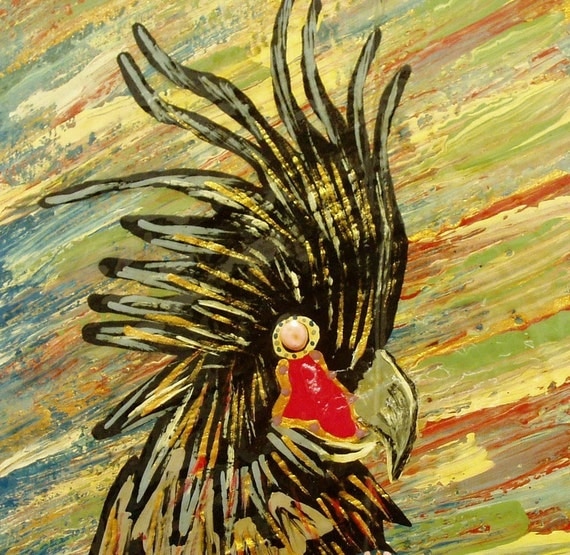
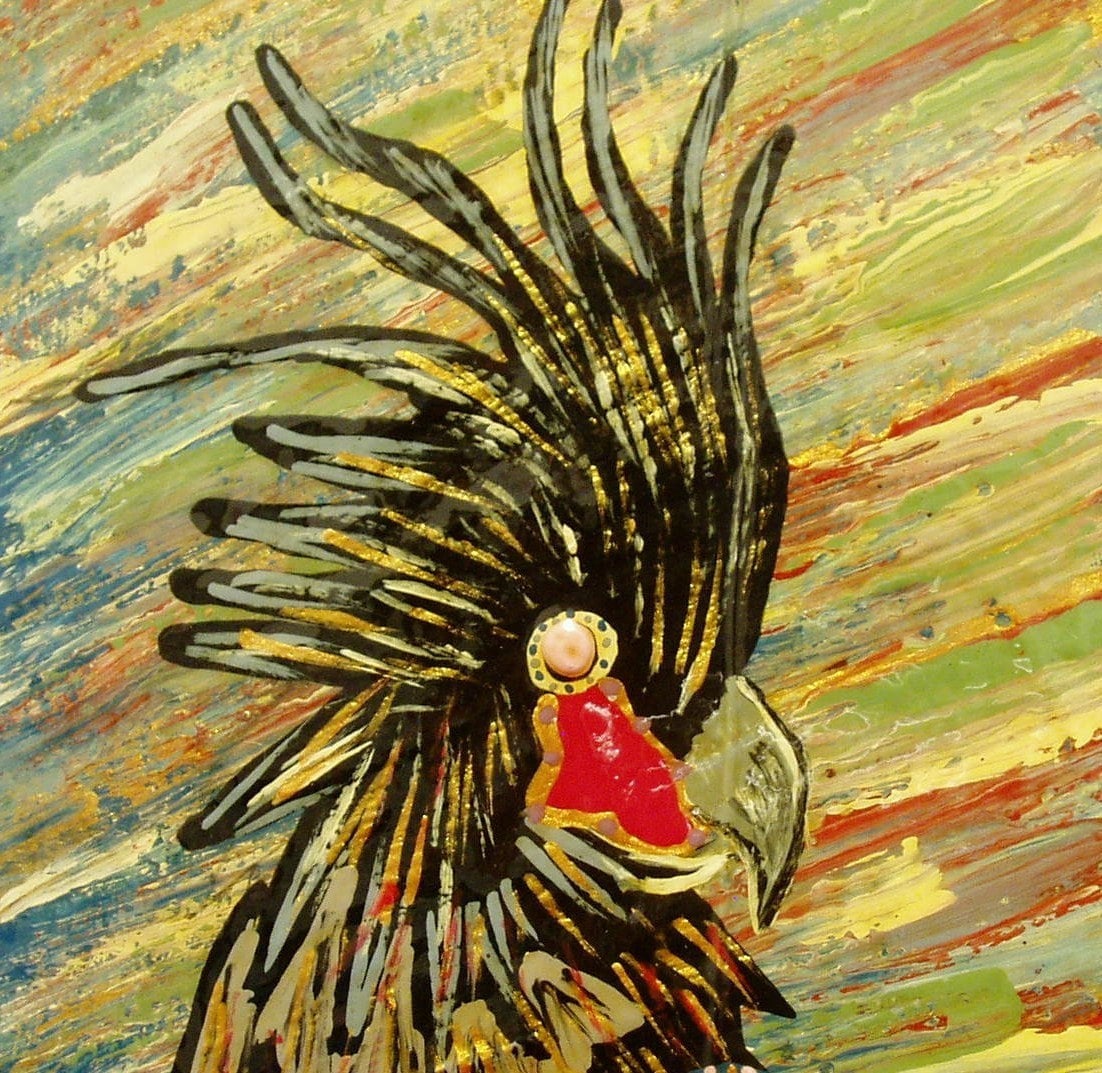
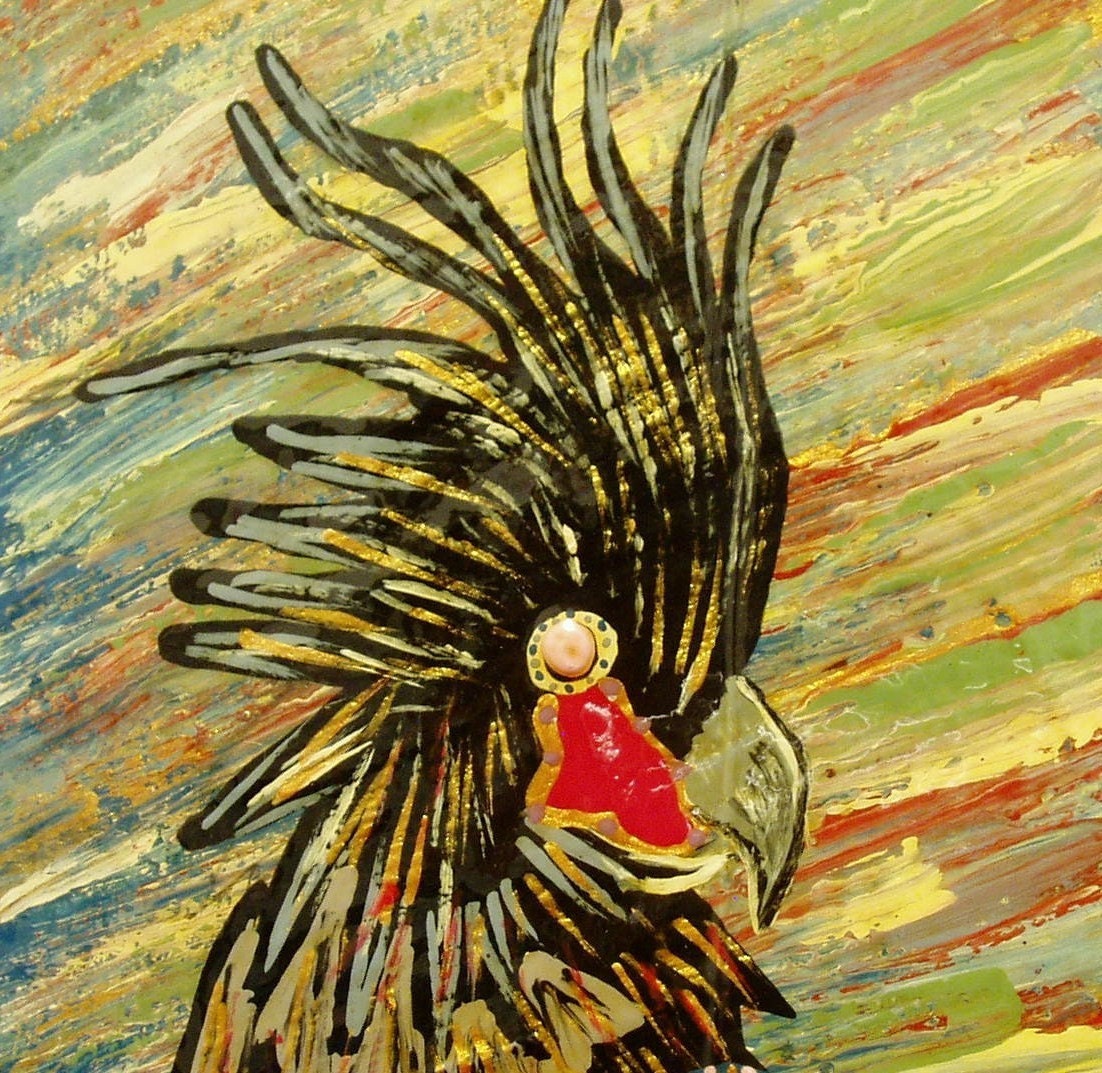
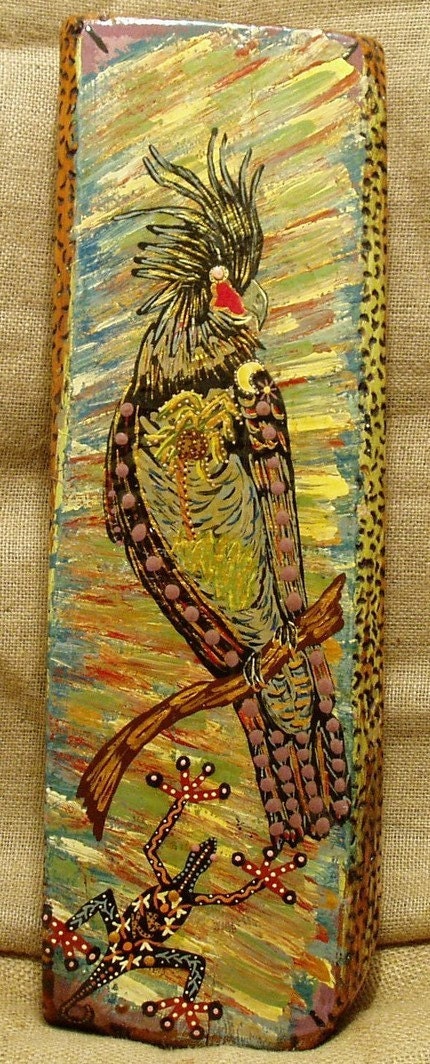
  Black Bird of Key Largo Hong Kong Willie Art $98,000  

To Buy Contact Hongkongwillie

Black Bird of Key Largo
zoom
Black Bird of Key Largo Black Bird of Key Largo Black Bird of Key Largo Black Bird of Key Largo Black Bird of Key Largo
"Black Bird of Key Largo"
The allurement of the winds blowing in the palm trees and the moon shining through and the "Black Bird of Key Largo" looking upon.
Hong Kong Willie
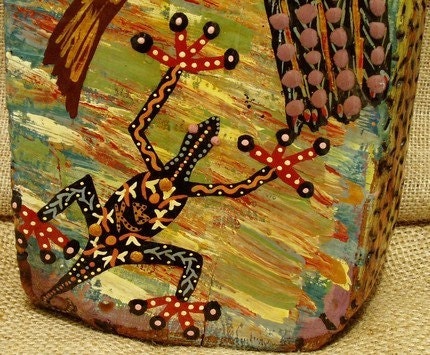
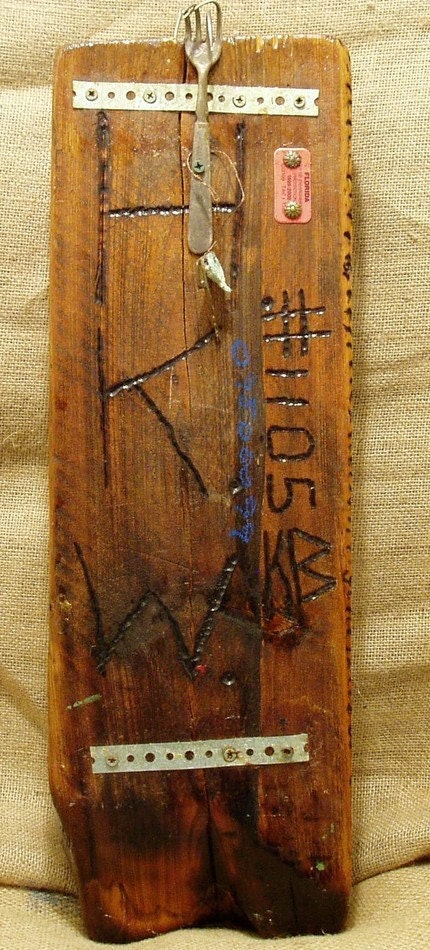
**HONG KONG WILLIE artist Kim Brown, chose aged Florida sawmill stock as canvas. Recovered Brass Hanger: Key West lobster trap rigging. Originally connects and suspends rigging of spiny lobster traps in Key West waters. Candy-like appearance due to multiple protective layers. Assigned number in artist register by Fisherman ID tag, corresponding burn-etched # rear of piece. Key recovered by Robert Jordan, acclaimed treasure hunter: also in identification of piece and artist.
Dimensions:
24" L
8" W
4" H
Weight: 17+ LB

LIVING GREEN . UPDATED 5 / 7 / 2024

ROADSIDE ATTRACTION, THINGS TO DO IN TAMPA.
 Famous Key West Green Artist ROADSIDE ATTRACTION in Tampa Florida.


 ROADSIDE ATTRACTION, THINGS TO DO IN TAMPA.

 
 Famous Key West Green  Artist, BELIEVING IN PRESERVATION ART. THE WORLD RECORD BUOY TREE, MADE FROM KEY WEST LOBSTER BUOYS, SHOW THEIR COMMITMENT TO PRESERVATION. LOCATED ON I-75 EXIT 266 IN TAMPA.


 Located off East Fletcher Road between hotel chains and high-end office parks is the gift shop and folk art gallery Hong Kong Willie's.Drive south on I-75, look to the right around East Fletcher Avenue, and you can't miss it. The tree appears first, hundreds of buoys wrapped around its branches, resembling a sort of Dr. Seuss-ian Christmas ornament. Then the rest of the 20,000 buoys come into view -- thousands of strands of the multicolored foam balls stretching from the tree to two wooden shacks, hanging from their roofs and walls, and stretched out over the property.

Blue Marlin Dream,$225,000


Artist Born for the Green Movement.
It all started on a landfill in Tamp


.

Hongkongwillie  Famous Key West Green Artist 
raised on Tampa city dump,like living in the Penthouse in the upper east side.


 MYSTERIOSITY   $176,000  Hong Kong Willie Art

Gunn Highway Landfill
The Gunn Highway Landfill is located
off Gunn Highway in Tampa, Hillsborough
County, Florida. The county operated the landfill
 as a trench-type facility for the disposal
of MSW from 1958 to 1962.

John 3:16

King James Version (KJV)


 16For God so loved the world, that he gave his only begotten Son, that whosoever believeth in him should not perish, but have everlasting life.


New Tampa Patch 

By Tristram DeRoma 

The Story Behind the Eye-Catching Art at I-75 Exit 266 Tampa Florida

Famous Key West Green Artist  Joe Brown, better known as "Hong Kong Willie," makes art with a message at his home/studio near

I-75 Exit 266 Tampa Florida

 Black Bird Of Key Largo   $ 98,000. Hongkongwillie Art

Sometimes, it’s the smallest experiences that have the biggest impact on a person’s life.
While attending an art class in 1958 at the age of 8,Famous Key West Green Artist ,Joe Brown recalled being mesmerized by the lesson. It involved transforming a Gerber baby bottle into a piece of art.
“The Gerber bottle had no intrinsic value at all,” he said. “But when (the instructor) got through with me that day, she made me see how something so (valueless) can be valuable.”
By the time class was over, Brown learned many other lessons, too, such as the importance of volunteerism, recycling, reuse and giving back to the community. He recalled being impressed by the teacher's volunteer work in Hiroshima, Japan, helping atomic bomb survivors.
"One of the last words she ever spoke to me about that was, ‘When I left, I left out of Hong Kong,’ ” he said. After turning that over in his young brain for awhile, he decided to use it in a nickname, adding the name “Willie” a year later.
You've probably seen Hong Kong Willie's eye-catching home/gallery/studio at Fletcher Avenue and Interstate 75. But what is the story of the man behind all those buoys and discarded objects turned into art?
Brown practiced his creative skills through his younger years. But as an adult, he managed to amass a small fortune working in the materials management industry. By the the '80s, he left the business world and decided to concentrate on his art. He spent some years in the Florida Keys honing his craft and building his reputation as a folk artist. He also bought some land in Tampa near Morris Bridge Road and Fletcher Avenue where he and his family still call home.
Brown purchased the land just after the entrances and exits to I-75 were built. He said he was once offered more than $1 million for the land by a restaurant. He turned it down, he said, preferring instead to make part of the property into a studio and gallery for the creations he and his family put together.
And all of it is made of what most people would consider “trash.” Pieces of driftwood, burlap bags, doll heads, rope — anything that comes Brown’s way becomes part of his vocabulary of expression, and, in turn, becomes something else, which makes a tour of his property somewhat of a visual adventure. What at first seems like a random menagerie of glass, driftwood and pottery suddenly comes together in one's brain to form something completely different. One moment nothing, the next a powerful statement about 9/11.
One Man's Trash ...
Trash? There is no such thing, Brown seems to say through his art.
He keeps a blog about his art at hongkongwillie.blogspot.com. .
In his shop, he has fashioned many smaller items out of driftwood, burlap bags and other materials into signs, purses, totes, bird feeder hangars and yard sculptures.
He sells a lot to the regular influx of University of South Florida parents and students every year who are are at first intrigued by the “buoy tree” and the odd-looking building they see as they take Exit 266 off I-75.

For prices and amounts, he has another blog dedicated just to worms.
Of course, many people also stop by to buy the smaller pieces of art that he and his family create: purses made of burlap, welcome signs made of driftwood, planters and other items lining the walls of his store.
He’s also helped put his mark on the decor of local establishments too, such as Gaspar’s Patio, 8448 N. 56th st.
Owner Jimmy Ciaccio said that when it came time to redecorate the restaurant several years ago, there was only one person to call for the assignment, and that was his good friend Brown.
"I’ve known Joe all my life, and we always had a good chemistry together,” Ciaccio said. "He’s very creative and fun to be around, and that’s how it all came about.”
Ciaccio says he still gets compliments all the time for the restaurant’s atmosphere he created using the “trash” supplied by Brown. He describes the style as a day at the beach, like a visit to Old Key West. “They’re so inspired, they want to decorate their own homes this way,” he said.
It’s that kind of testimony that makes Brown feel good, knowing that others, too, are inspired to create instead of throw away when they see his work. He simply lets his work speak for itself.
“Somebody once told me to keep telling the story and they will keep coming," he said, "and they always do."